

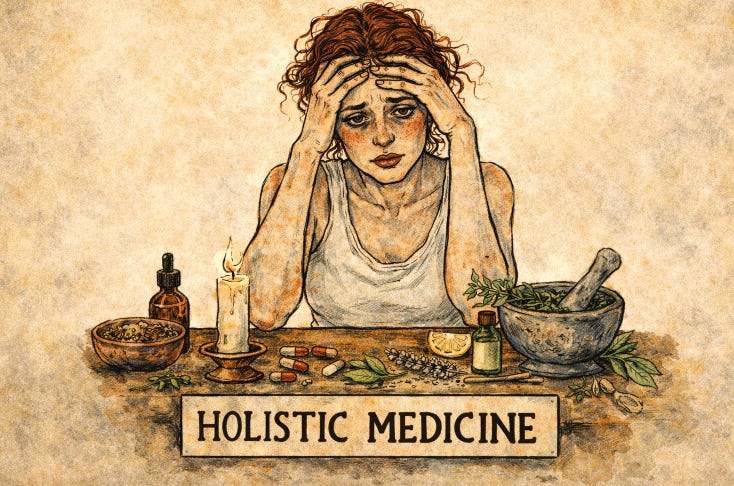
What “Holistic” Actually Means
Holistic medicine is the idea that health cannot be understood by organs alone. In women’s health this matters. Fertility, pregnancy outcomes, chronic pelvic pain, and menopause symptoms are influenced by sleep, stress, nutrition, metabolic status, mental health, and social conditions. Many patients feel conventional care reacts after problems appear, while holistic care promises prevention and attention. The central insight is correct. Reproductive physiology is strongly shaped by general health and behavior long before the first prenatal visit.
The First Category: Lifestyle Medicine
The strongest component of holistic care is lifestyle medicine, and here the evidence is real.
Preconception glycemic control in women with diabetes markedly reduces congenital malformations and pregnancy loss.
Smoking cessation lowers risks of fetal growth restriction, placental abruption, and preterm birth.
Appropriate gestational weight gain and physical activity reduce gestational diabetes and hypertensive disorders of pregnancy.
Folic acid supplementation before conception prevents neural tube defects.
Sleep quality and treatment of obstructive sleep apnea are associated with lower rates of hypertensive complications.
Nutrition quality also matters. Diets emphasizing whole grains, plant-based foods, and unsaturated fats are associated with improved ovulatory function and better fertility outcomes in ovulatory disorders.
When holistic care means metabolic optimization and preventive behavior, it is not alternative medicine. It is earlier medicine.
The Second Category: Supportive Care and Relationship
The second category is supportive care, and again there is evidence. Cognitive behavioral therapy and structured counseling reduce perinatal depression and anxiety symptoms. Continuous labor support from a trained companion is associated with lower cesarean delivery rates, less analgesia use, and greater maternal satisfaction. Pelvic floor physical therapy improves postpartum urinary incontinence and sexual function. Lactation counseling increases breastfeeding duration. Mindfulness-based stress reduction programs show modest reductions in pregnancy-related anxiety and perceived pain. What patients often describe as “holistic” is frequently time, explanation, and continuity. Adherence improves when patients understand treatment and feel heard. The benefit is behavioral and psychological physiology interacting with medical care.
Pregnancy: Where Holistic Care Truly Helps
Pregnancy is often where interest in holistic medicine becomes strongest. Many women want to minimize medications and maximize natural health. Some of this instinct is appropriate. Nutrition, sleep, physical activity, and mental health meaningfully affect pregnancy outcomes. Regular moderate exercise during pregnancy improves glucose control and reduces the risk of gestational diabetes. Adequate protein and iron intake reduces maternal anemia. Treatment of maternal depression improves prenatal care adherence and infant outcomes. Education about fetal movement awareness increases earlier reporting of concerning symptoms. These are holistic concepts that align directly with obstetric physiology.
Pregnancy: Where Holistic Care Becomes Risky
Problems arise when holistic approaches are used as substitutes to treat serious medical conditions rather than complements.
Hypertension in pregnancy is not a lifestyle discomfort. It is a placental vascular disorder that can progress to stroke, seizure, and fetal death.
Gestational diabetes requires monitoring because fetal hyperinsulinemia changes growth patterns.
Reduced fetal movement requires evaluation because it may reflect placental insufficiency.
Herbal preparations and supplements are often assumed safe but many have unknown dosing, contamination risk, or uterine activity.
The danger is not preference for natural approaches.
The danger is delay in diagnosis.
Pregnancy complications evolve over hours and days, not philosophical frameworks.
Labor and Birth
Holistic principles can also improve labor experience when properly integrated. Mobility in labor, continuous emotional support, breathing techniques, and patient education reduce anxiety and improve perceived control. However, labor remains a physiologic stress test for the fetus. Fetal heart rate monitoring, recognition of arrest disorders, and treatment of hemorrhage exist because hypoxia and bleeding are time-dependent emergencies. A calm birth environment is beneficial. A delayed response to fetal distress is harmful. The distinction is critical.
The Third Category: Unproven or Implausible Interventions
A third component of what is often labeled holistic medicine involves interventions that are biologically implausible or unsupported by reliable evidence. Examples include treating infertility with supplements alone, attempting to prevent obstetric complications with detoxification regimens, or adjusting hormones without diagnostic indication. Some practices are merely ineffective. Others delay treatment of hypertension, infection, thyroid disease, or diabetes in pregnancy and create preventable harm. The issue is not holistic thinking itself. The issue is substituting theory for physiology. Pregnancy complications follow predictable biologic pathways, and when treatment is postponed the consequences can be immediate.
The Real Goal
Women’s health should not force a choice between attentive care and scientifically grounded care. Holistic approaches are valuable when they improve behavior, coping, prevention, and understanding. They become unsafe when they substitute for diagnosis and treatment. The future is integration with boundaries. Good care includes nutrition, mental health, and prevention, but it also recognizes that conditions like preeclampsia or ectopic pregnancy require timely medical treatment. Women do not need alternative medicine. They need complete medicine.