


A non-hormonal pill calms hot flashes, even after breast cancer
Many women can’t take estrogen after breast cancer, yet the hormone-blocking drugs they need often trigger severe hot flashes. The Phase 3 OASIS-4 trial tested elinzanetant, a non-hormonal pill that quiets the brain signals behind hot flashes. Women taking it had far fewer and milder flashes, slept better, and reported better quality of life than those on placebo. It’s the first drug of its kind shown to help this group. A real option for women who have run out of options. Link: https://ascopost.com/news/march-2026/elinzanetant-may-reduce-side-effects-of-endocrine-therapy-among-patients-with-breast-cancer/
Diagnosing endometriosis from period blood, no surgery needed
Endometriosis affects roughly 1 in 10 women, yet diagnosis often takes years and usually requires surgery. A new study in Nature tested a simpler idea: collect stem cells from menstrual blood and read their DNA “switches” (methylation patterns). The test told apart women with and without endometriosis about 81% of the time. It even hinted at how the disease behaves differently between patients. Early work on a small group, but a painless, surgery-free path to faster diagnosis would change a lot of lives. Link: https://spj.science.org/doi/10.34133/research.0652
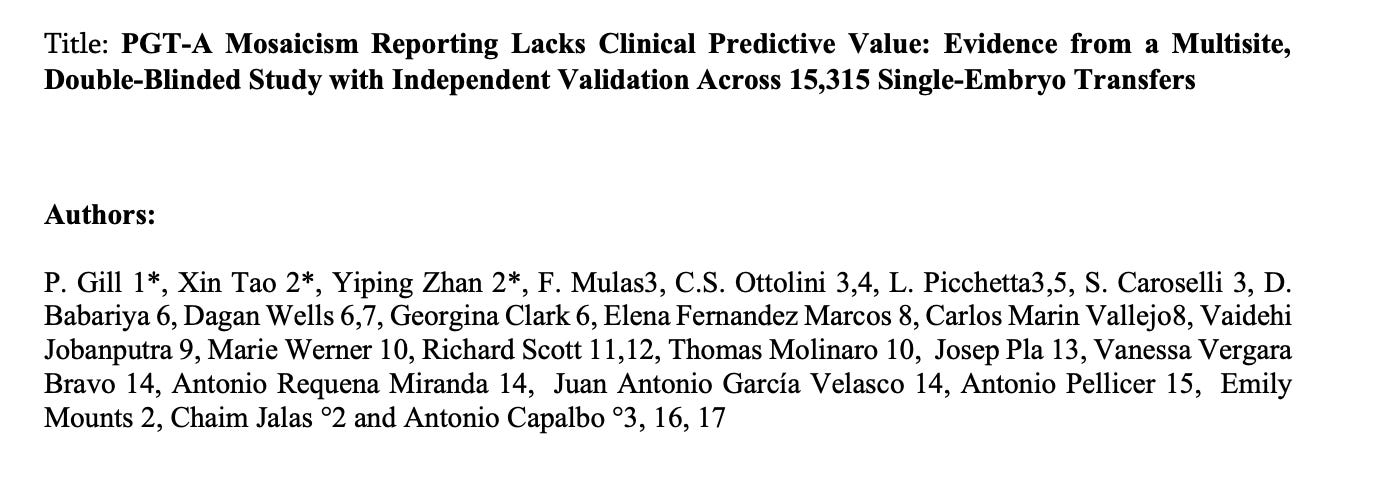
“Mosaic” embryos may not deserve to be thrown away
In IVF, embryos are often genetically tested and labeled normal, abnormal, or “mosaic” (a mix). Many clinics quietly discard the mosaic ones. A large multi-site analysis of more than 15,000 single-embryo transfers found that mosaic labels did not reliably predict whether a pregnancy would succeed. In other words, the test may be throwing away healthy embryos. This was a preprint (not yet peer-reviewed), so treat it as preliminary — but it challenges a common and costly practice. Link: https://www.medrxiv.org/content/10.1101/2025.06.23.25329758.full.pdf
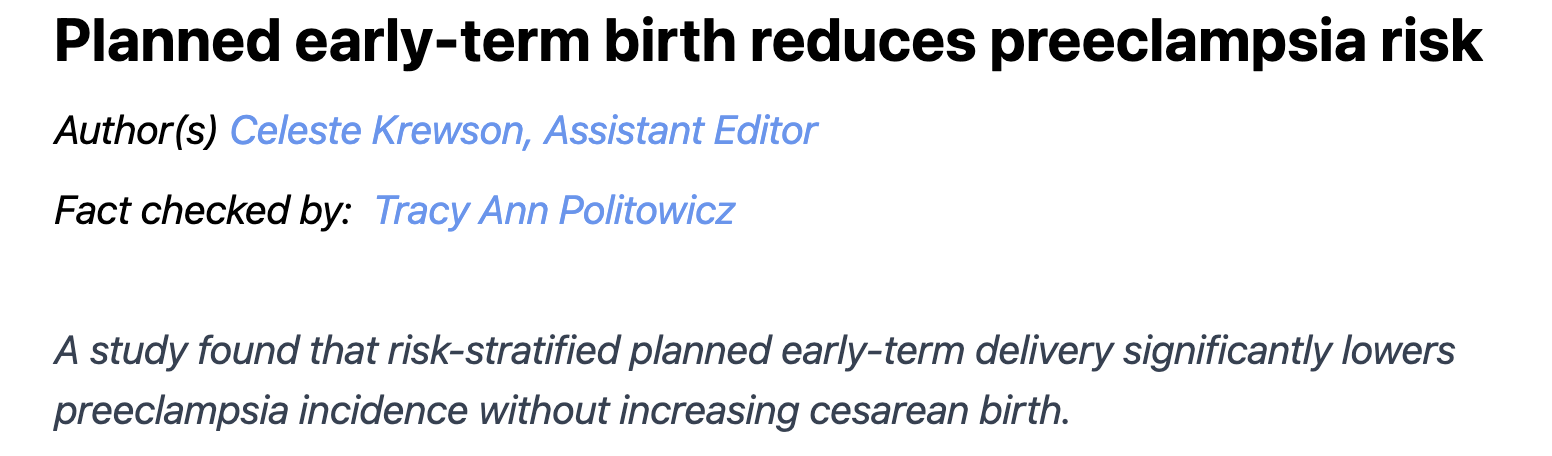
Timing delivery to head off preeclampsia
Preeclampsia is dangerous high blood pressure in pregnancy. A trial reported in The Lancet (PREVENT-PE) screened women early, then offered planned early-term delivery to those at highest risk. The approach cut new preeclampsia cases by about 30% — without raising cesarean rates or sending more babies to the NICU. The lesson isn’t “deliver everyone early.” It’s that knowing a woman’s real risk lets us act at the right moment for the right patients. Smart targeting, not blanket intervention. Link: https://www.contemporaryobgyn.net/view/planned-early-term-birth-reduces-preeclampsia-risk
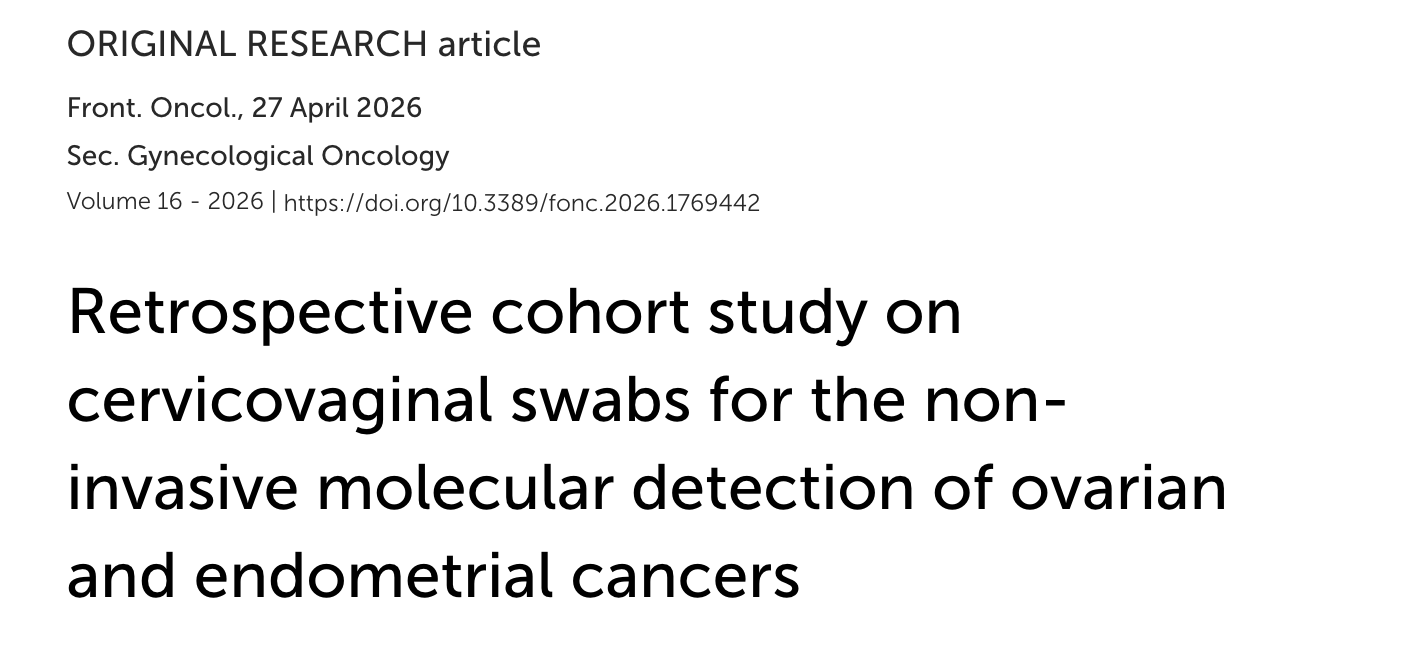
A vaginal swab that may catch ovarian and uterine cancer
Ovarian cancer is often found late, when it’s hard to treat. Researchers tested whether a simple cervicovaginal swab — collected much like a Pap — could pick up molecular signals of ovarian and endometrial cancer. Looking for DNA mutations (like TP53 and PTEN) plus methylation markers, the swab separated cancers from benign cases in 238 women. It’s early, retrospective work that needs prospective testing before clinic use, but a non-invasive way to flag these cancers sooner would be a major step.
Link: https://www.frontiersin.org/journals/oncology/articles/10.3389/fonc.2026.1769442/full
Pregnancy — High blood pressure doesn’t end at delivery, and home monitoring may be the real win
Dangerous high blood pressure often lingers or first appears after birth, yet most guidance focuses on pregnancy itself. This AJOG review pooled 40-plus randomized trials on treating it postpartum. The evidence was mostly weak, with no safety red flags. Water pills (diuretics) helped only when paired with other blood-pressure drugs, not alone, and no single pill clearly beat the rest. The standout finding was simpler: women who checked and managed their own blood pressure at home, or made lifestyle changes, had lower pressure months later and better long-term heart health.