

A simulation model found that if Black mothers delivered at the same hospitals as white mothers, the Black maternal morbidity rate would decrease by 47.7 percent. Nearly half the racial disparity -- addressable by changing which building a woman walks into during labor, without changing any individual clinician’s attitudes or behaviors. The evidence has been in the literature for years. The policy response has been implicit bias training. obmd.com
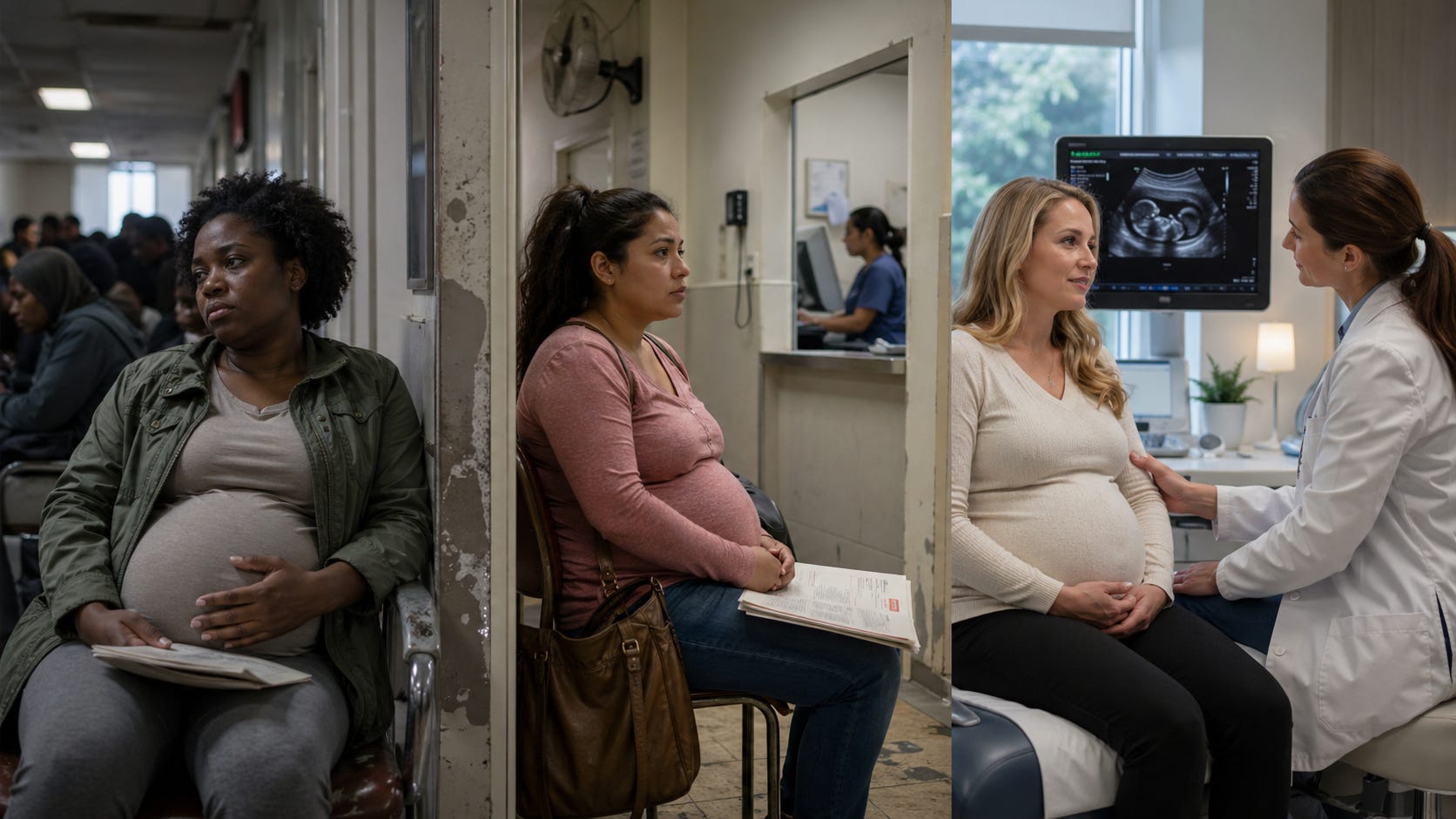
If you wanted to design a study to isolate the most important single variable in Black maternal mortality, you might start by holding everything constant except the hospital. Same patient, same diagnosis, same gestational age, same comorbidities. Change only the hospital. Measure the outcome difference.
Researchers at New York University did something close to this. Using data on deliveries in New York City, they examined whether the racial disparity in severe maternal morbidity could be accounted for by hospital-level differences rather than patient-level characteristics. The finding was unambiguous and should have redirected a decade of policy attention: if Black mothers had delivered at the same hospitals as white mothers, the severe maternal morbidity rate for Black women would have decreased by 47.7 percent.
Not 5 percent. Not 10 percent. Forty-seven point seven percent.
ObGyn Intelligence: Safety analysis, the evidence critique, and the verdict are below -- for subscribers who want the full picture.
