

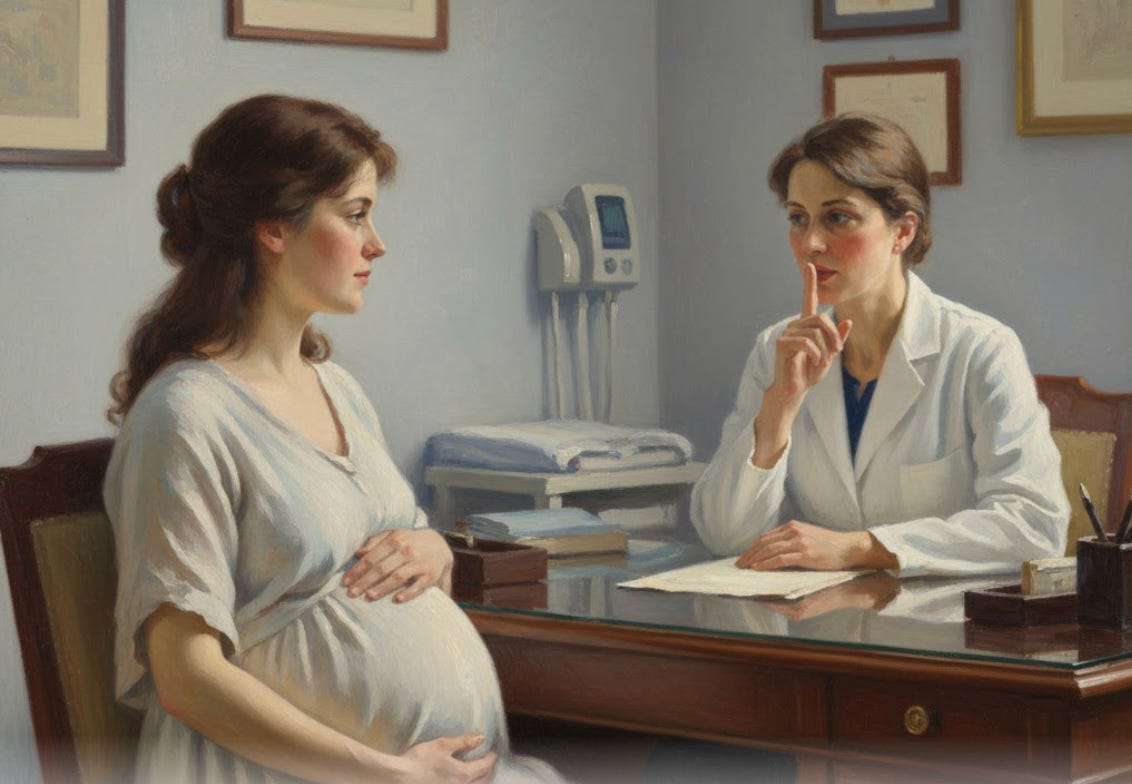
The second trimester is widely celebrated as the "golden period" of pregnancy. The early nausea and fatigue often subside, and the fear of early miscarriage wanes. It’s a time of renewed energy and palpable excitement, marked by the first movements of the fetus, the "quickening." But as a professor, an ethicist, and an obstetrician, I feel it is my duty to provide a more nuanced, academically-grounded perspective. The professional narrative of a problem-free second trimester, while comforting, omits critical physical, psychological, and ethical realities that both patients and providers must confront for true informed partnership.
The Physical Realities Beyond the “Glow”
While many physical symptoms of the first trimester recede, new ones often take their place. The increased blood volume, hormonal shifts, and growing uterus introduce their own set of challenges.
For patients, the "pregnancy glow" is often accompanied by more pragmatic issues like carpal tunnel syndrome, caused by fluid retention and swelling, leading to numbness and pain in the hands. Varicose veins and hemorrhoids become more common due to increased blood volume and pressure on pelvic veins. The expanding uterus puts pressure on the diaphragm, which can lead to shortness of breath, a symptom that can be alarming if not properly contextualized.
For providers, it is an ethical duty to move beyond the superficial narrative. We must proactively screen for and manage these symptoms, discussing preventative strategies and treatments. This includes advising on ergonomic adjustments for carpal tunnel, recommending appropriate exercise and compression stockings for venous health, and normalizing these often-uncomfortable physical changes. Acknowledging these realities builds a foundation of trust and demonstrates a commitment to a patient's complete well-being, not just fetal outcomes.
