

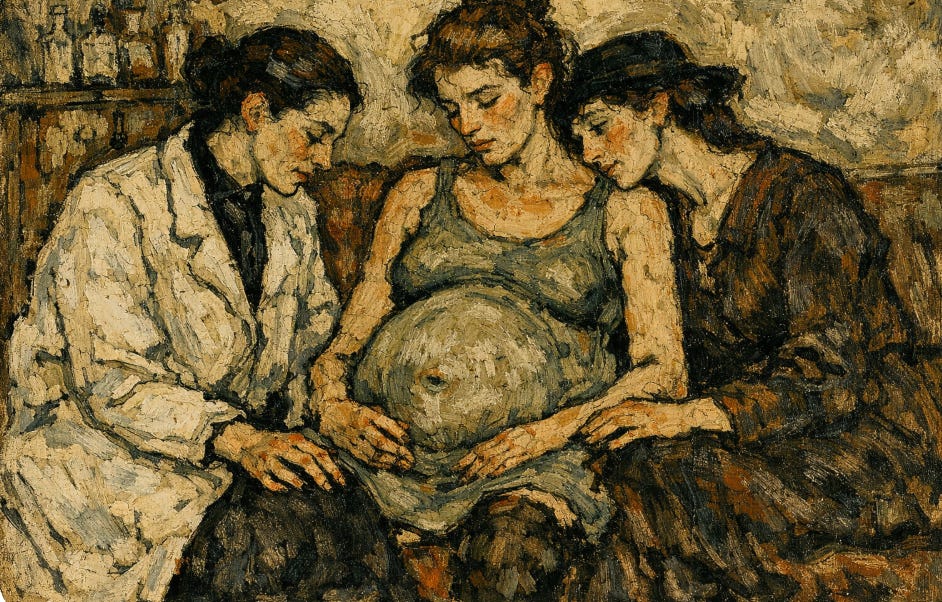
The third trimester is often portrayed as the final stretch—a countdown to the birth of a baby and a joyful finish line. While this is true, this narrative can obscure the immense physical, psychological, and ethical complexities that characterize the last three months of pregnancy. As a professor, ethicist, and high-risk obstetrician, I believe a candid, academically-grounded discussion is essential for both patients and providers to navigate this period with true understanding and informed autonomy.
The Unspoken Physical Realities
The physical changes of the third trimester are not merely a matter of a growing belly; they are systemic. While the "golden period" of the second trimester may have been a welcome respite, the third trimester brings its own distinct set of challenges. The sheer size and weight of the gravid uterus place immense pressure on virtually every internal organ and system.
Check our your weekly progress HERE.
For patients, this means the return of or worsening of early symptoms, like frequent urination and fatigue, now compounded by new ones. The pressure on the diaphragm can cause shortness of breath, making even simple activities difficult. The growing weight and shift in the center of gravity often lead to back pain and sciatica. Swelling, or edema, of the hands and feet is common. Aching joints, difficulty sleeping, and profound physical discomfort can dominate daily life.
For providers, the ethical duty is to normalize these experiences and provide effective strategies for management. This includes comprehensive discussions on pain management, physical therapy referrals, and non-pharmacological interventions for sleep. Acknowledging these realities goes beyond simple clinical care; it validates the patient's experience and fosters a deeper, more trusting relationship.
The Psychological and Emotional Finales
The final trimester is a profound psychological landscape where excitement and anticipation collide with a new kind of anxiety. The fear of miscarriage has largely subsided, but it is often replaced by fears surrounding labor, delivery, and a healthy outcome. This period can also bring a deep-seated anxiety about the loss of one's pre-motherhood identity and the monumental life changes ahead.
For patients, the constant focus on birth can feel overwhelming. Many women experience a new kind of social pressure to be "ready" for the baby, while internally grappling with fears of the unknown. They may feel unprepared for the responsibilities of parenthood, or anxious about their relationship with their partner after the baby arrives.
For providers, it is our ethical responsibility to open a dialogue about these fears. This means asking questions that go beyond the physical, such as, "How are you preparing emotionally for this transition?" The third trimester is a critical time for screening for perinatal mood and anxiety disorders (PMADs), especially as the risk of postpartum depression is high. Providing mental health resources and normalizing these feelings is a cornerstone of compassionate care.
Check our your weekly progress HERE.
The Ethical Minefield of Medical Interventions
The third trimester is where the conversation about medical interventions becomes most urgent. Topics like induction, C-section planning, and pain management are often introduced, but not always with the ethical depth they require.
For patients, it is crucial to understand that an induction or C-section is not a default or a simple matter of convenience. Every intervention carries risks and benefits that must be weighed carefully. You have a right to a detailed, evidence-based conversation about the pros and cons of each procedure as it relates to your specific health profile. The conversation should not be a one-way street of professional directives, but a collaborative discussion.
For providers, securing true informed consent is paramount. This means explaining the reasons for a recommended induction (e.g., preeclampsia, fetal growth restriction) and the risks of waiting. It also means discussing the patient's autonomy in their birth plan while realistically managing expectations. We have an ethical duty to present all options and empower the patient to make a choice that aligns with their values and understanding, even if it differs from our professional recommendation.
Complications You Must Be Aware Of
While the third trimester is a time of immense growth, it is also a period where serious complications can arise. For both patients and providers, a candid understanding of these risks is not about creating fear, but about fostering vigilance and ensuring timely, life-saving interventions.
Preeclampsia is a leading cause of maternal and fetal morbidity and mortality worldwide. It is a multisystem disorder characterized by the onset of high blood pressure and, often, significant proteinuria after 20 weeks of gestation. It can progress rapidly to eclampsia, which involves seizures.
For patients: Be vigilant for the cardinal symptoms, which include a persistent, severe headache, visual disturbances (like seeing spots or blurred vision), sudden swelling of the face and hands, and severe pain in the upper right abdomen. These are not typical pregnancy symptoms. If you experience them, contact your provider immediately.
For providers: The ethical imperative is to educate every patient on these warning signs and to have a low threshold for diagnostic testing. Regular blood pressure checks and urine analysis are non-negotiable tools in proactive care. Early recognition and management are critical to preventing severe outcomes.
Placental Abruption is another acute, life-threatening emergency where the placenta detaches from the uterine wall before delivery. This can lead to severe bleeding and fetal distress.
For patients: Any vaginal bleeding in the third trimester is a cause for concern. If you experience bleeding accompanied by severe abdominal pain, uterine tenderness, or back pain, you must seek emergency medical care without delay.
For providers: This is a clinical diagnosis that requires a high index of suspicion. A patient presenting with these symptoms must be evaluated immediately in a hospital setting for fetal monitoring and definitive management.
Symptoms to Monitor and Fetal Well-being
Beyond acute emergencies, there are more subtle but equally critical symptoms and signs that must be monitored closely in the third trimester. These often relate to fetal well-being, and a lack of open dialogue can lead to missed opportunities for intervention.
Reduced Fetal Movements is one of the most significant indicators of potential fetal distress. A change in the frequency or strength of movements can be the earliest sign that a fetus is not doing well.
For patients: You should be instructed to perform kick counts regularly. A common standard is to feel at least 10 movements within a two-hour period, ideally at the same time each day. If you notice a significant decrease or absence of movement, do not wait. It is always better to be seen by a provider and find that everything is fine than to wait and risk a poor outcome.
For providers: This is a simple but powerful tool for fetal surveillance. Ethically, we must empower patients to be active participants in monitoring their baby's health. Clear instructions and an open-door policy for concerns about fetal movement are essential components of responsible care.
Gestational Diabetes is a condition that often manifests in the third trimester and requires careful management. Uncontrolled blood sugar can lead to complications for both mother and baby.
For patients: While routine screening is standard, it is important to understand the implications of a positive diagnosis. This often means lifestyle changes and sometimes medication, but it is a necessary part of ensuring a healthy outcome.
For providers: It is our ethical duty to not only diagnose gestational diabetes but to provide thorough education on diet, monitoring, and the risks of non-compliance. A collaborative approach that respects a patient's choices while providing the necessary medical guidance is key.
In conclusion, the third trimester is not just a countdown; it is the culmination of the entire pregnancy journey. By engaging in an open, honest, and ethically sound dialogue, we can transform this period from a tense and uncertain waiting game into an empowering, collaborative journey toward birth. This is the essence of true obstetrical intelligence: a commitment to full transparency, grounded in academic rigor and profound compassion.