

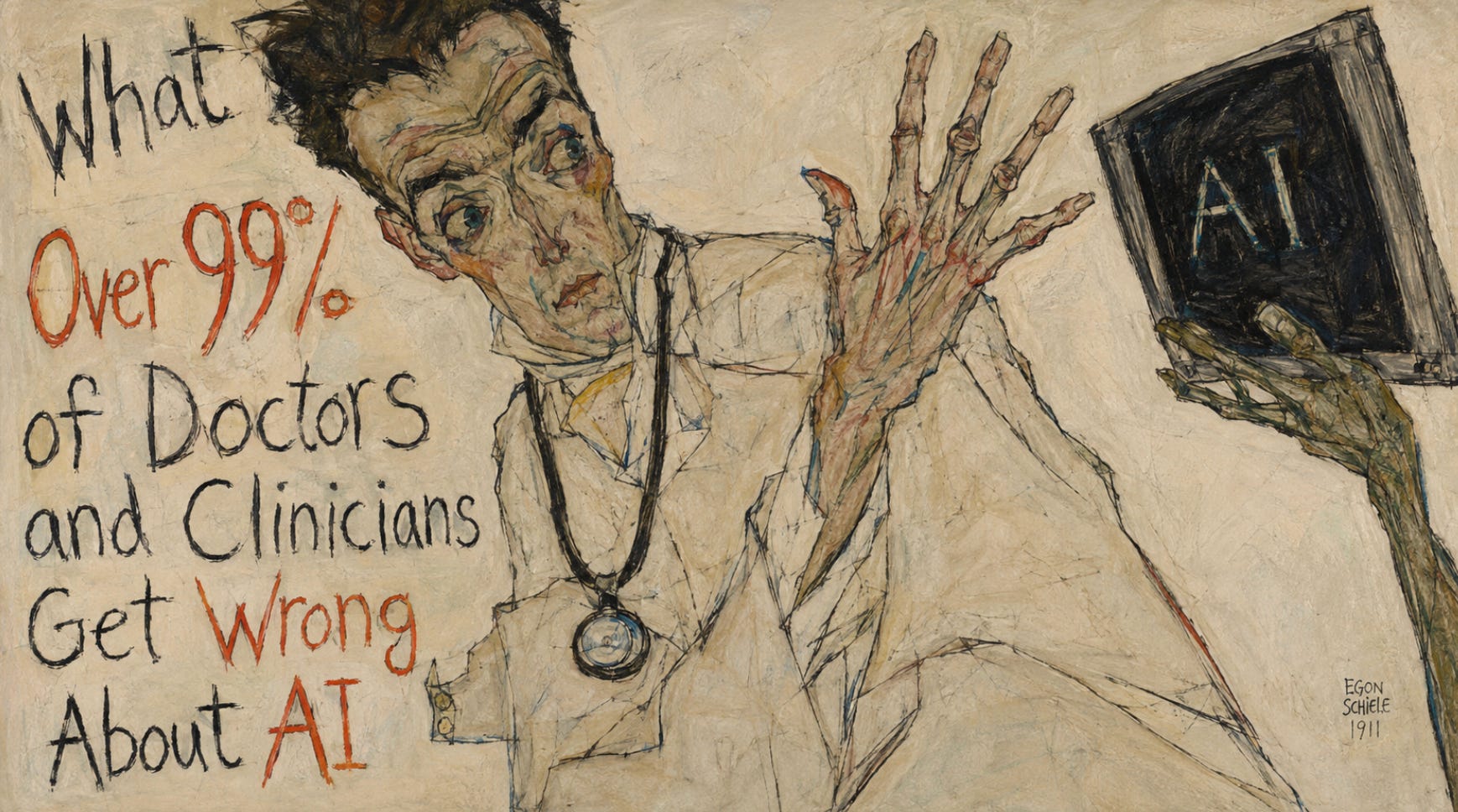
Most doctors and clinicians use AI the same way.
Open a chat. Type a question.
Read the answer.
Close the tab.
It feels like using the tool. It is closer to wasting it. Every one of those sessions starts from zero. The AI does not know who you are, what you publish, what standards you hold, or how you write. So it gives you the average answer, written for the average person. In medicine, the average answer to your specific question is often the wrong one.
Ruben Hassid, who writes one of the largest newsletters on practical AI use, estimates that about nine out of ten users work exactly this way: one question, one answer, done. From what I see among colleagues, doctors are no exception. We may be worse.
We are busy, we are skeptical, and many of us tried an AI once in 2023, caught it inventing a reference, and filed the whole technology under “not ready.”
The technology was not the problem.
The setup was.
Nobody walks into an operating room and starts cutting.
We check the instruments, the bookings, the consent, the team. Then we start. AI rewards the same habit, and almost no one in medicine has been told this.
The gap between doctors who set up their AI and doctors who do not is now, in my view, wider than the gap between any two AI models.
What follows is the exact setup I use, written so you can copy it this weekend. Paid subscribers read on.
